Which E-Reader Handles Library Books Best?
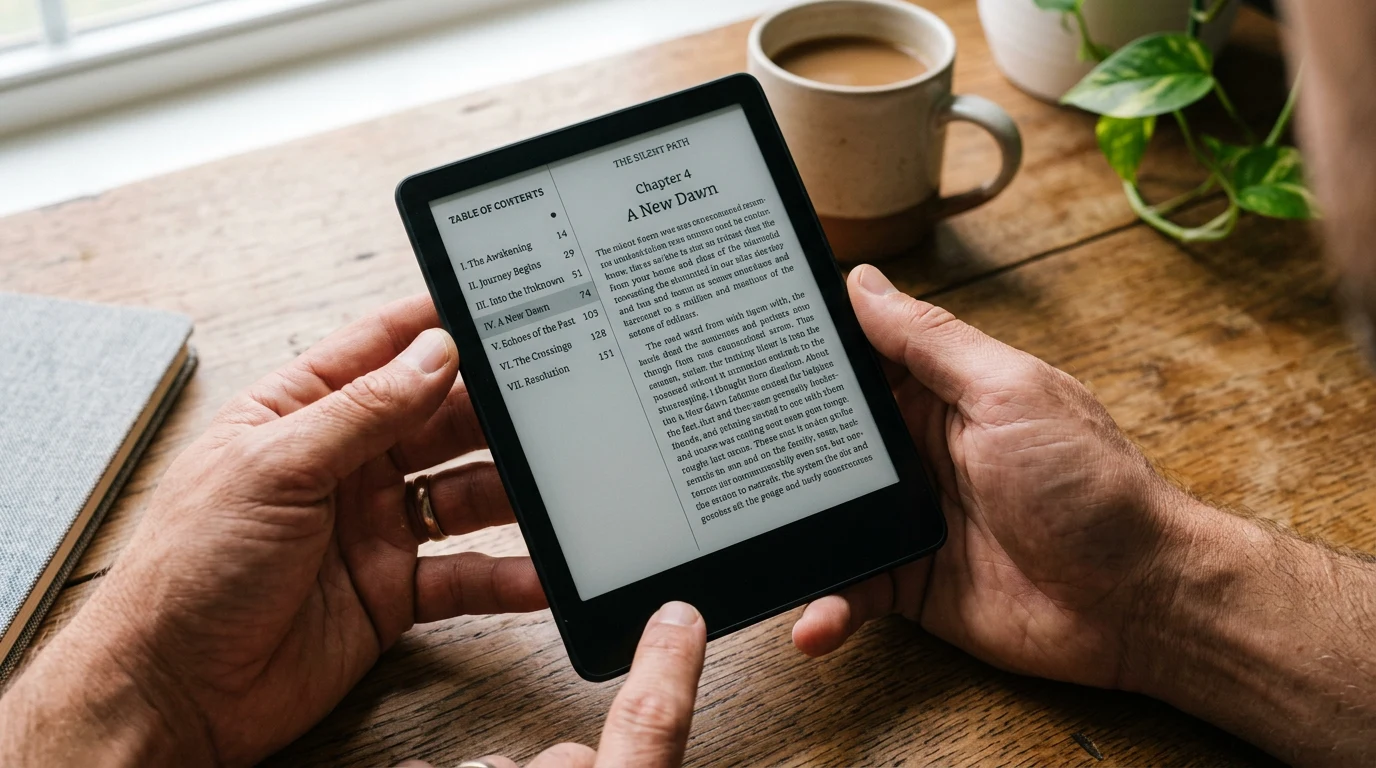
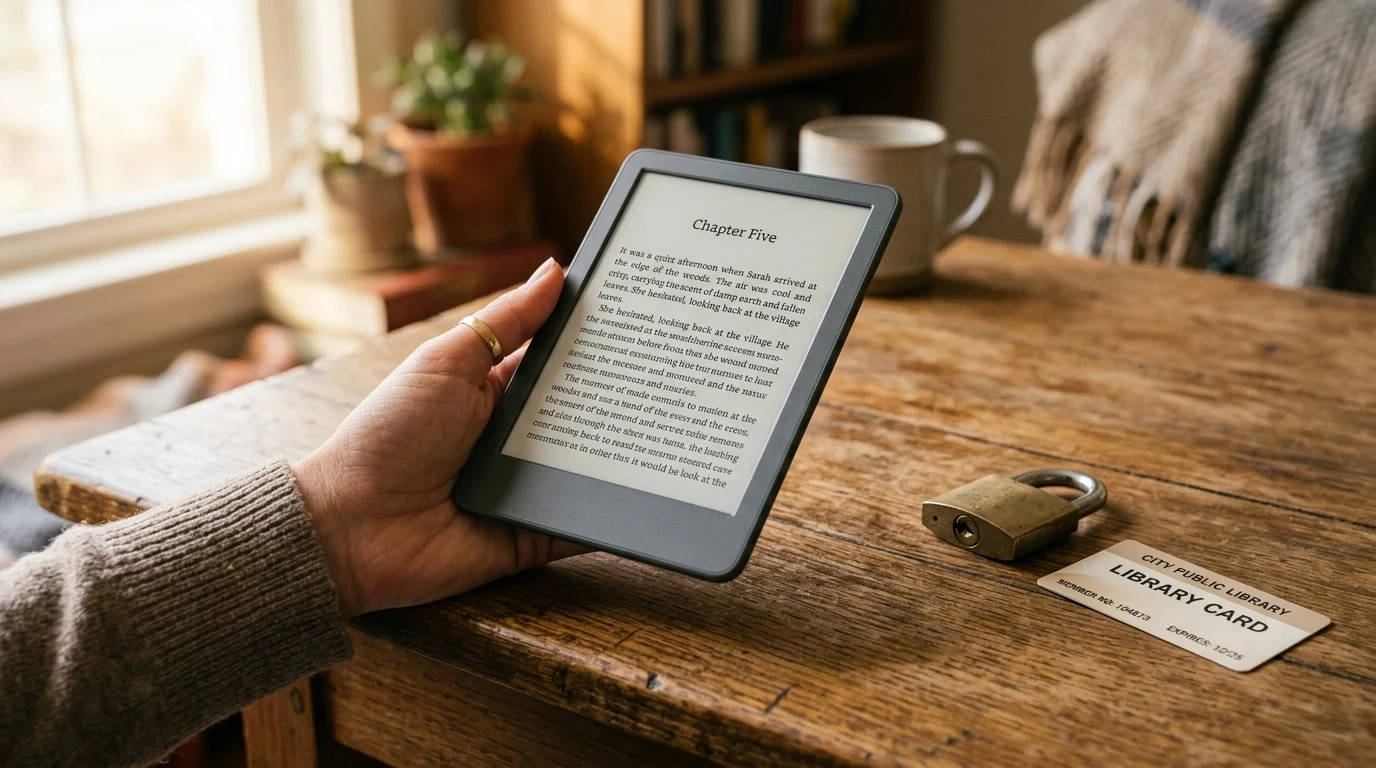
Michael Hayes · Aug 28, 2026On the documented evidence, Kobo e-readers are the pick for library borrowers, with Kindle close behind since its 2022 Libby integration.
On the documented evidence, Kobo e-readers are the pick for library borrowers, with Kindle close behind since its 2022 Libby integration.
Getting an indie title into library lending means one standardized file plus two platforms — here is the documented path.
The Libby app quietly leaves Kindle off its supported-device list, but your library's classic OverDrive website still gets a loan onto the device — here's the actual path, plus the one ecosystem that skips it entirely.
A free, open-source checker from the DAISY Consortium tells you whether your EPUB meets the standard now expected of e-books sold in the EU — here's how the check actually works and what it can't tell you.
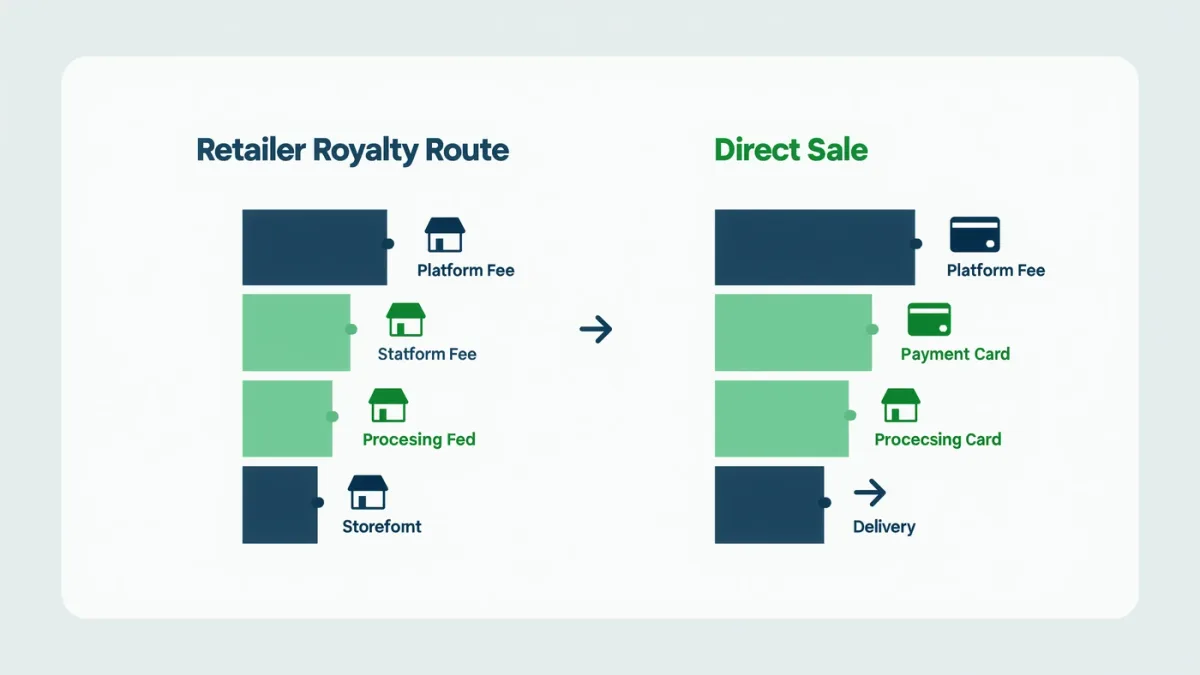
Storefront platforms, payment processing, VAT on digital goods, and file delivery — how indie authors sell ebooks without a retailer in the middle.
A step-by-step guide to signing up, uploading, and pricing an ebook on Apple Books through its own publishing portal — no aggregator required.
Reading apps know what you read, how fast, and where — a short settings pass can quiet most of the telemetry without giving up the books.

Highlights trapped on a device are notes you will never read again — a Markdown middle layer sets them free for Notion, Obsidian, or anywhere.
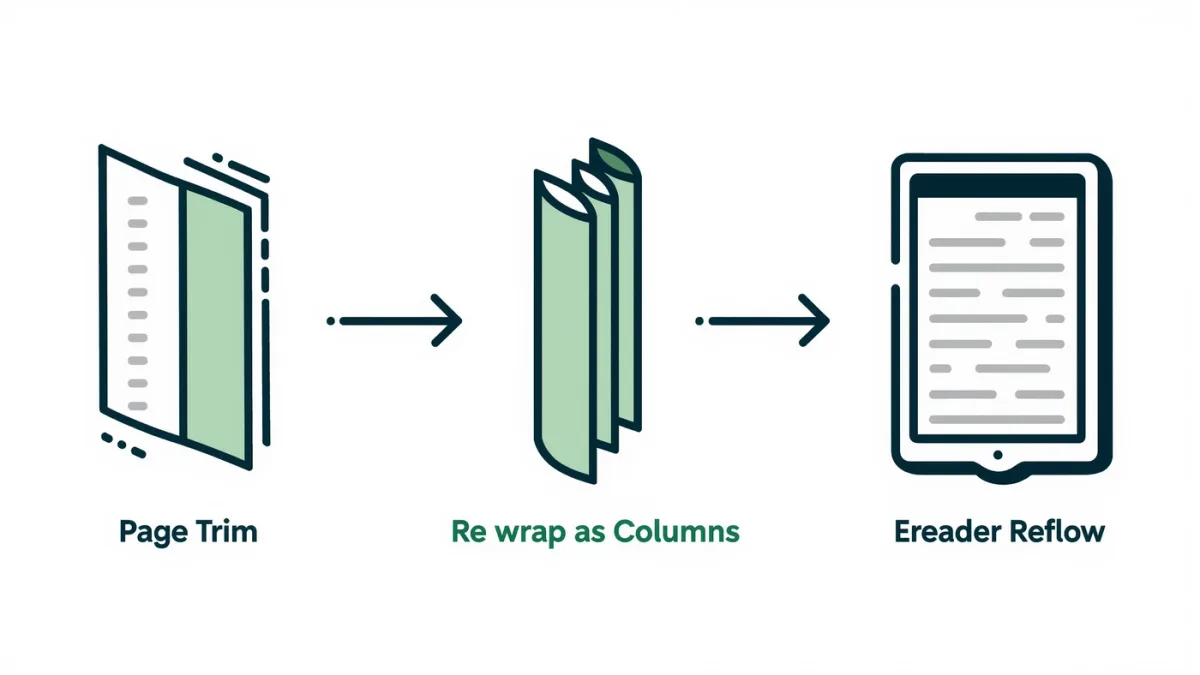
Cropping margins, reflowing text, and converting to EPUB — three repair routes for PDFs, matched to the kind of broken your document actually is.
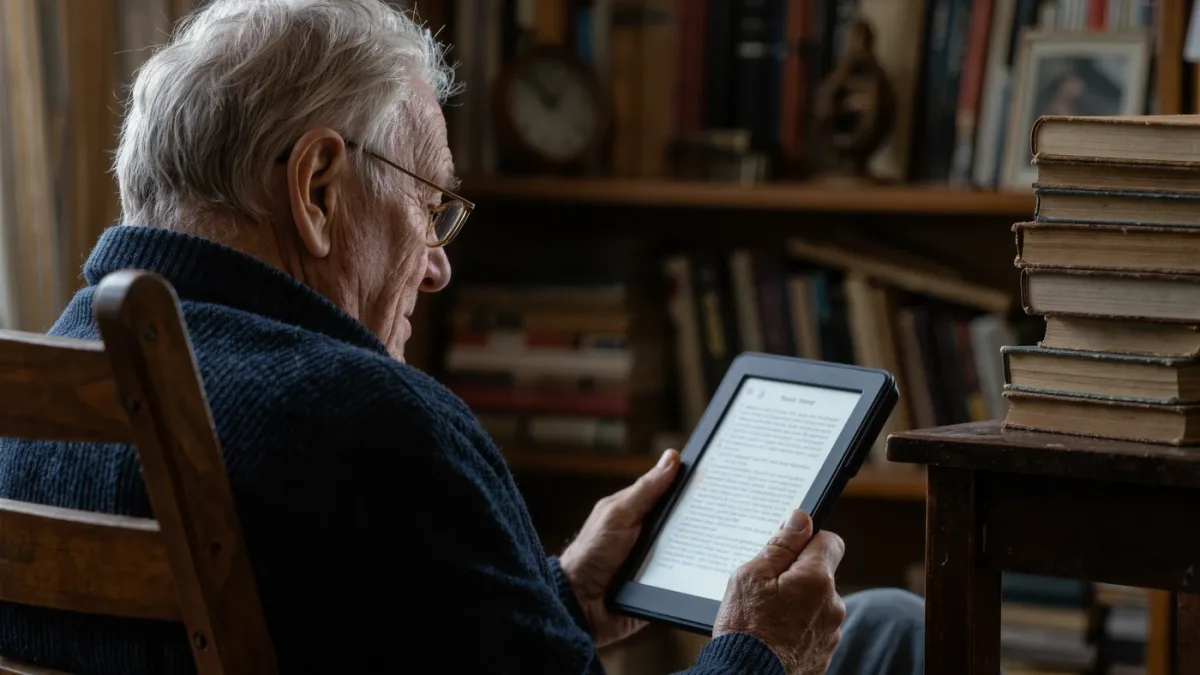
Public-domain archives, open-access publisher collections, library lending, and promotional giveaways — the four lawful sources of free reading, with what each is genuinely good for.
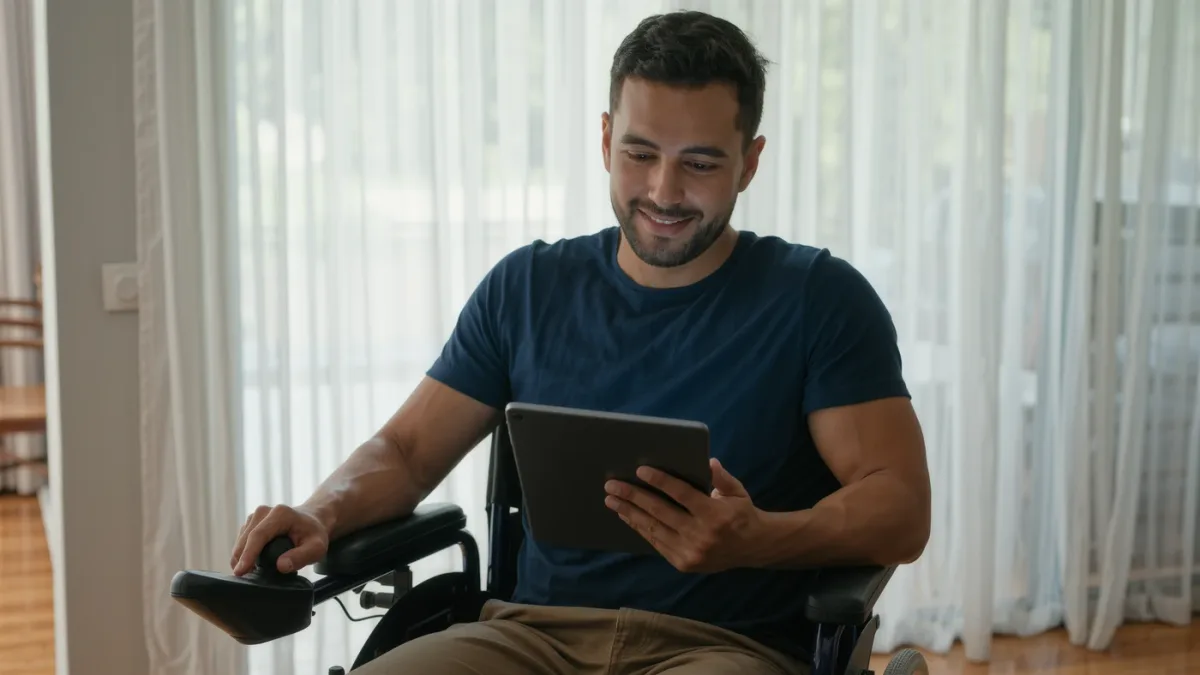
Voice assistants, adaptive switches, and touch accommodation — the ways readers with limited hand use can read hands-free.
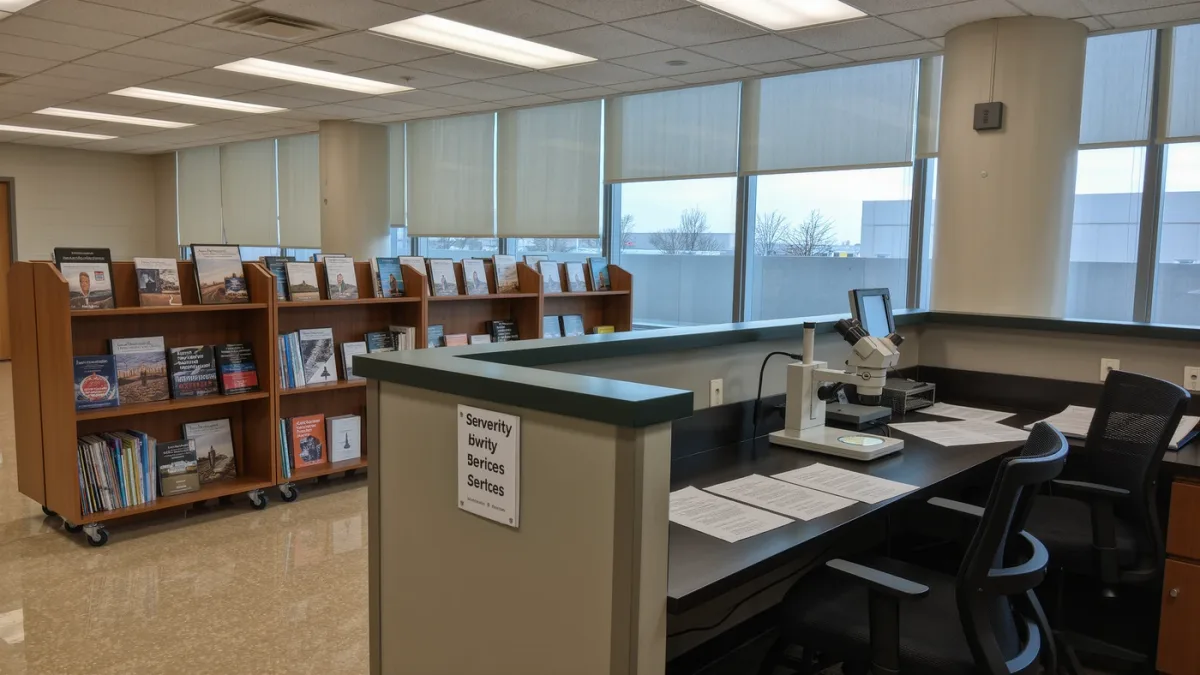
Born-accessible textbooks, alternative-format offices, and national libraries — the routes a student with a print disability can use to get the same book as everyone else.
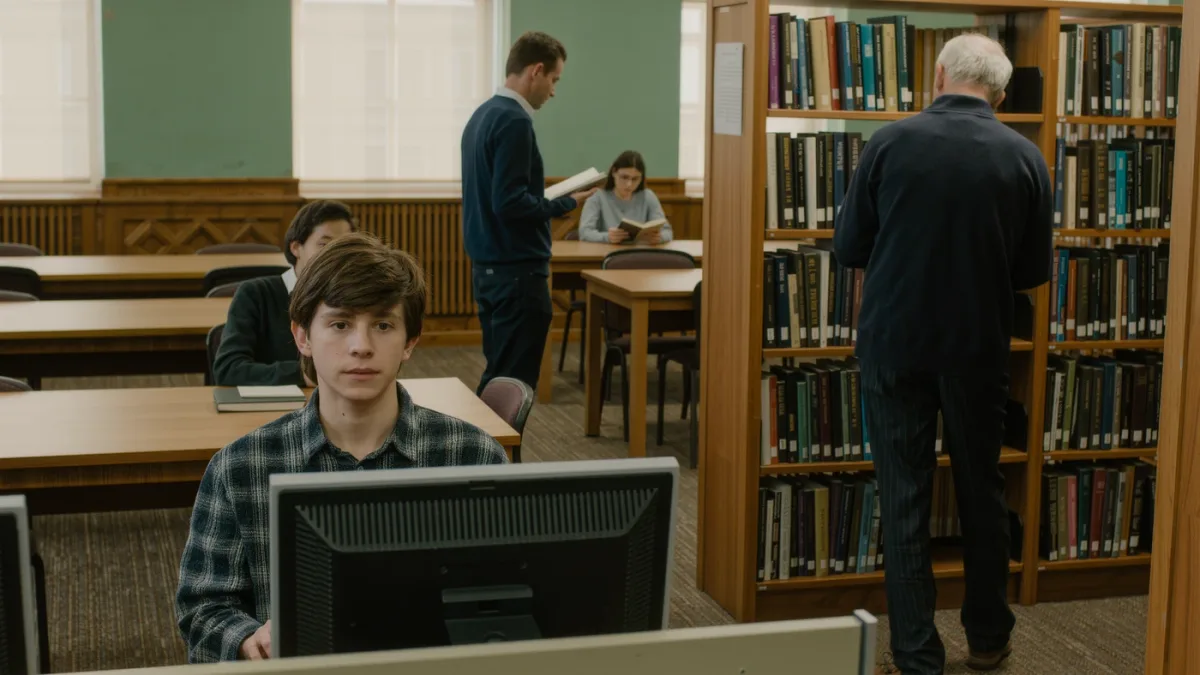
The publishers' case against the Internet Archive ended in a settlement — and left controlled digital lending without the legal footing libraries hoped for.
Pew's April 2026 report finds 31% of U.S. adults read e-books — a new high — while print still leads by more than two to one.